
FINDING THE BALANCE AMID THE CHAOS
May is Mental Health Awareness Month, and once again I find myself reflecting on how we’re doing, not just individually, but as an industry. Last time I wrote about this topic, we were in the middle of a pandemic. It was raw and personal, because that’s where we all were. Stripped of our work, our routines, and our communities, many of us found ourselves face to face with just how deeply our identities were tied to our jobs, our crews, and the magic we help create. Now, a few years later, we’re back to work, and in some ways, that’s almost where the danger lies. Because the work came back fast. The pressure came back fast. And the stress came back louder. This time, I want to talk less about the pain, and more about how we can take care of ourselves and each other, amid the relentless pace, high expectations, and emotional highs and lows of this industry we love so much.
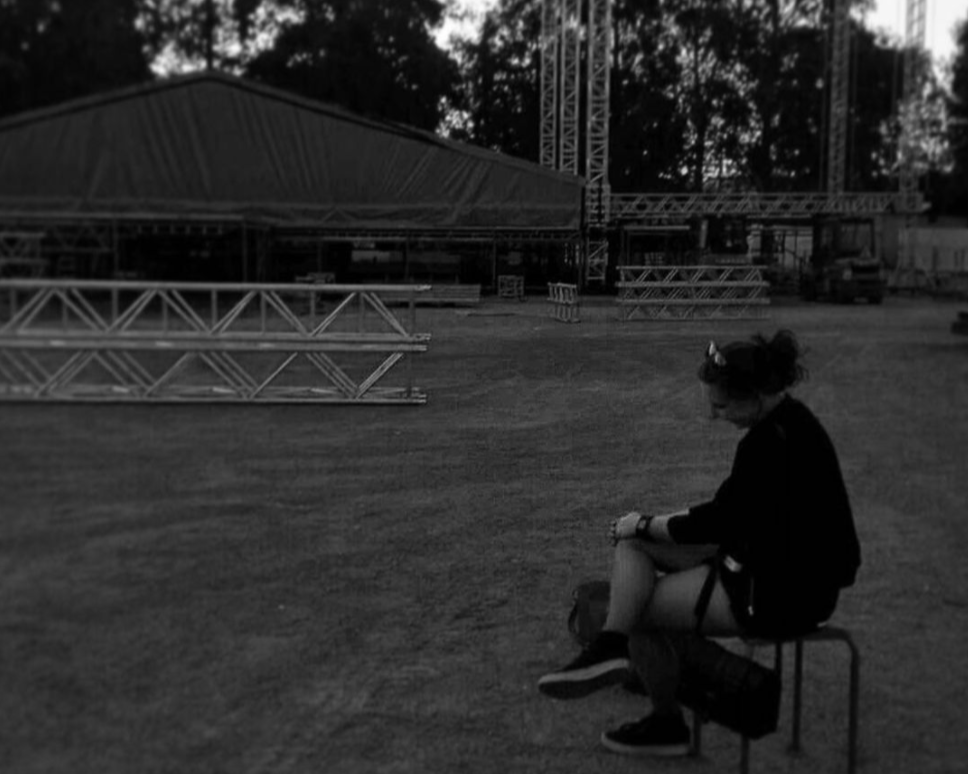
Whether you’re a tour manager, lighting tech, agent, artist, promoter, or backline crew, chances are you’ve gotten used to operating under stress. Long hours, irregular sleep, constant travel, unpredictable income, and high emotional investment are part of the deal. But here’s the thing: just because something is normal doesn’t mean it’s healthy. We pride ourselves on being able to “handle it.” But that pressure to always keep going, always be available, always say yes. Eventually it adds up. And too often, we only realise the toll it's taken when burnout hits or when mental health struggles become too loud to ignore.
So here are a few things that have helped me, and many of my colleagues, to navigate the intensity of this work.
1. Create micro-routines, even when on tour
Tour life is unpredictable, but small routines help your brain feel safe. Whether it’s a 10-minute walk in the morning, journaling before bed, or always calling a loved one after the load-out. These tiny rituals create a sense of stability. It really doesn’t have to be anything big and complicated.
2. Set communication boundaries
Not every message needs to be answered right away. Give yourself permission to step away from work mode, even briefly. Use “Do Not Disturb” mode, set clear work hours when you can, and let people know you’ll respond once you’ve had a breather. I know a brilliant PM, who doesn’t have his work e-mail set up on his phone and I try (but sometimes fail) to do the same. I also try to recognise that just because I might be writing e-mails late at night (often because I might have taken the morning off) doesn’t mean I should immediately send them, I schedule them for morning.
3. Eat something green. Drink water. Sleep when you can.
This sounds like something your mom would say, but she’s right. When your body is depleted, your mind has less resilience. You don’t have to be perfect. Just aim for a few better choices per day. If you feel like having a burger or pizza, go for it! It will do you good. But don’t do it every day. Have that ginger shot, try to grab the banana/apple. Change the energy drink to a glass of water, it will be so much better and actually do what you think the energy drink is doing.
4. Talk about it with someone.
The biggest lie stress tells you is that you’re the only one feeling this way. You’re not. Find a peer, mentor, therapist, coach… someone safe to offload with. Your mental health is just as important as the artist’s setlist. Actually, it’s way more important. We create the image that we’re working better when under pressure and to some level it’s true, but we often don’t recognise the point when it’s actually too much and we’re in tunnel vision mode. That’s when we stop doing our best work. Having someone, who you can call Your Person, makes a massive difference in your well-being.
5. Take time off without guilt
You are not a machine. You are not lazy for resting. We celebrate hustle too much and rest too little in this business. Time off isn’t a luxury. It’s maintenance, it’s recharging. The world won’t stop spinning if you hit the pause for a moment. Again, sometimes even a 10 minute break can make miracles if that’s all you can afford during the day. But really stepping out and giving your mind a break is what makes the difference.
6. Watch your self-talk
Are you being kind to yourself, or beating yourself up? Try talking to yourself like you’d talk to your best friend in the same situation. We need more compassion in this industry and it starts with how we treat ourselves. We make mistakes and sometimes they feel like the end of the world. I have a little notebook called the Book of Wins. I write there things I’ve achieved and that I’m proud of, meaningful things that people have said about me or my work. And whenever I feel like I’m the biggest failure, who has ever worked in this industry, I take that notebook and remind myself that I’m actually quite alright. It’s again something I learnt from another touring colleague and I absolutely love my little green book.
7. Know the signs of burnout
Cynicism, emotional exhaustion, detachment, and a sense of meaninglessness aren’t just “part of the job.” They’re signals that something needs to change. Listen to them. Recovering from burnout can take a long time. We tend to reason for ourselves that it’s hard, but what if they’ll forget about me (especially common with freelancers) if I take a bit time off or the financial worries. Do the math if you really can afford to be off from work for months. If you’re not on top of your game, people will notice and your reputation will be suffering. So do take care of yourself.
just always remember: You’re Not Alone
The numbers haven’t improved much since covid. Studies still show mental health challenges in the music industry outpace those in the general population… especially among freelancers and live event workers. But numbers aren’t what matter most. You matter. Your health matters. Your future matters. So if you’re feeling overwhelmed, please don’t wait until it gets unbearable to take a step toward support. Talk to a friend. Take a break. Ask for help. Or be the person who checks in with someone else.
We do this job because we love it. But love doesn’t mean breaking ourselves to keep the show running.
Let’s not wait until we hit a wall to start caring for ourselves.
Resources for Industry Professionals: